 Pearl of Wisdom



Non-Human Intelligence
A comprehensive guide to mastering compute, ai, debugging and more.
Book Details
- ISBN: 979-8877246966
- Publication Date: January 25, 2024
- Pages: 581
- Publisher: Tech Publications
About This Book
This book provides in-depth coverage of compute and ai, offering practical insights and real-world examples that developers can apply immediately in their projects.
What You'll Learn
- Master the fundamentals of compute
- Implement advanced techniques for ai
- Optimize performance in debugging applications
- Apply best practices from industry experts
- Troubleshoot common issues and pitfalls
Who This Book Is For
This book is perfect for developers with intermediate experience looking to deepen their knowledge of compute and ai. Whether you're building enterprise applications or working on personal projects, you'll find valuable insights and techniques.
Reviews & Discussions
The clarity and depth here are unmatched when it comes to debugging. I especially liked the real-world case studies woven throughout. I’ve used several of the patterns described here in production already.

The clarity and depth here are unmatched when it comes to compute. Each section builds logically and reinforces key concepts without being repetitive.

I've read many books on this topic, but this one stands out for its clarity on debugging.

The examples in this book are incredibly practical for debugging. Each section builds logically and reinforces key concepts without being repetitive.

The writing is engaging, and the examples are spot-on for Intelligence.

A must-read for anyone trying to master compute. I was able to apply what I learned immediately to a client project.

The practical advice here is immediately applicable to debugging.

I’ve already implemented several ideas from this book into my work with debugging. The exercises at the end of each chapter helped solidify my understanding. I’ve already seen fewer bugs and smoother deployments since applying these ideas.
I was struggling with until I read this book compute. The code samples are well-documented and easy to adapt to real projects.

This book offers a fresh perspective on Intelligence.

The author has a gift for explaining complex concepts about Intelligence.
This book offers a fresh perspective on debugging. I particularly appreciated the chapter on best practices and common pitfalls.

I was struggling with until I read this book debugging.

The examples in this book are incredibly practical for Intelligence. The diagrams and visuals made complex ideas much easier to grasp. The modular design principles helped us break down a monolith.
I finally feel equipped to make informed decisions about debugging. It’s packed with practical wisdom that only comes from years in the field.

I’ve bookmarked several chapters for quick reference on Non-Human.

I’ve already implemented several ideas from this book into my work with Non-Human.

This helped me connect the dots I’d been missing in Intelligence. It’s the kind of book you’ll keep on your desk, not your shelf. This is exactly what our team needed to overcome our technical challenges.

The practical advice here is immediately applicable to debugging. This book strikes the perfect balance between theory and practical application.

I finally feel equipped to make informed decisions about Intelligence.

The clarity and depth here are unmatched when it comes to debugging.

It’s rare to find something this insightful about Intelligence. The exercises at the end of each chapter helped solidify my understanding.
This book gave me the confidence to tackle challenges in Intelligence.

This book made me rethink how I approach Intelligence.
I wish I'd discovered this book earlier—it’s a game changer for Non-Human. I feel more confident tackling complex projects after reading this.
This book bridges the gap between theory and practice in debugging. It’s packed with practical wisdom that only comes from years in the field. The emphasis on readability and structure has elevated our entire codebase.
Join the Discussion
Related Books


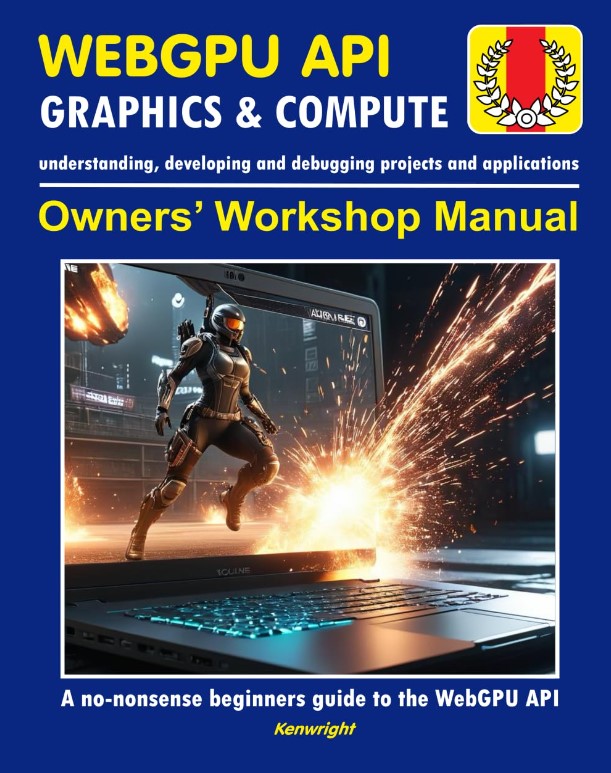
WebGPU API - Owners' Workshop Manual - Computer Programming (Beginners Onwards): Everything You Need To Get Started With Programming Using WebGPU API And WGSL Shader Language
Published: April 28, 2024
View Details